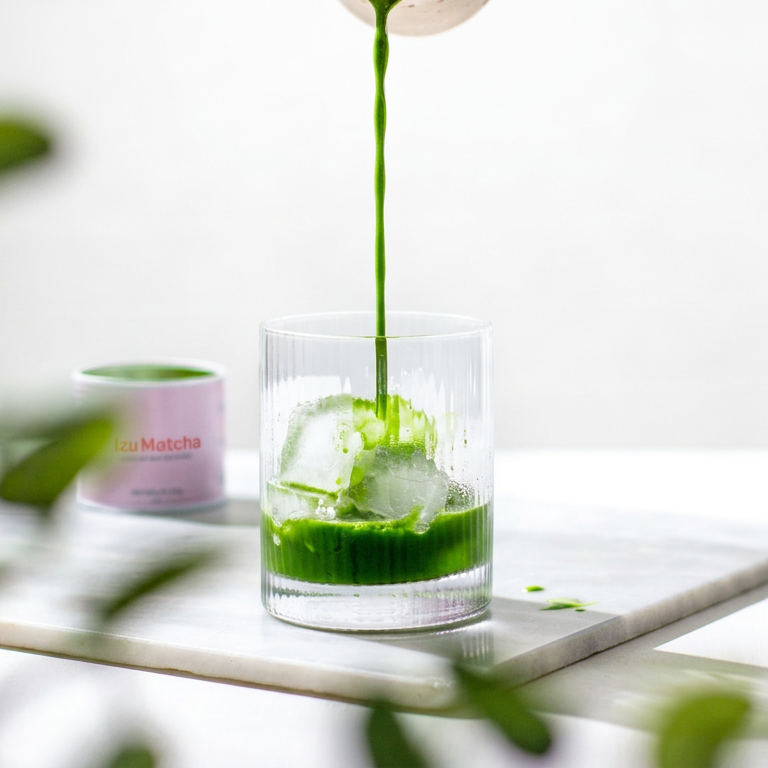
Why Matcha?
Matcha offers a different kind of energy. It naturally contains caffeine alongside L-theanine, an amino acid associated with calm and focus, creating a steadier lift without the sharp rise and fall many people experience with coffee.
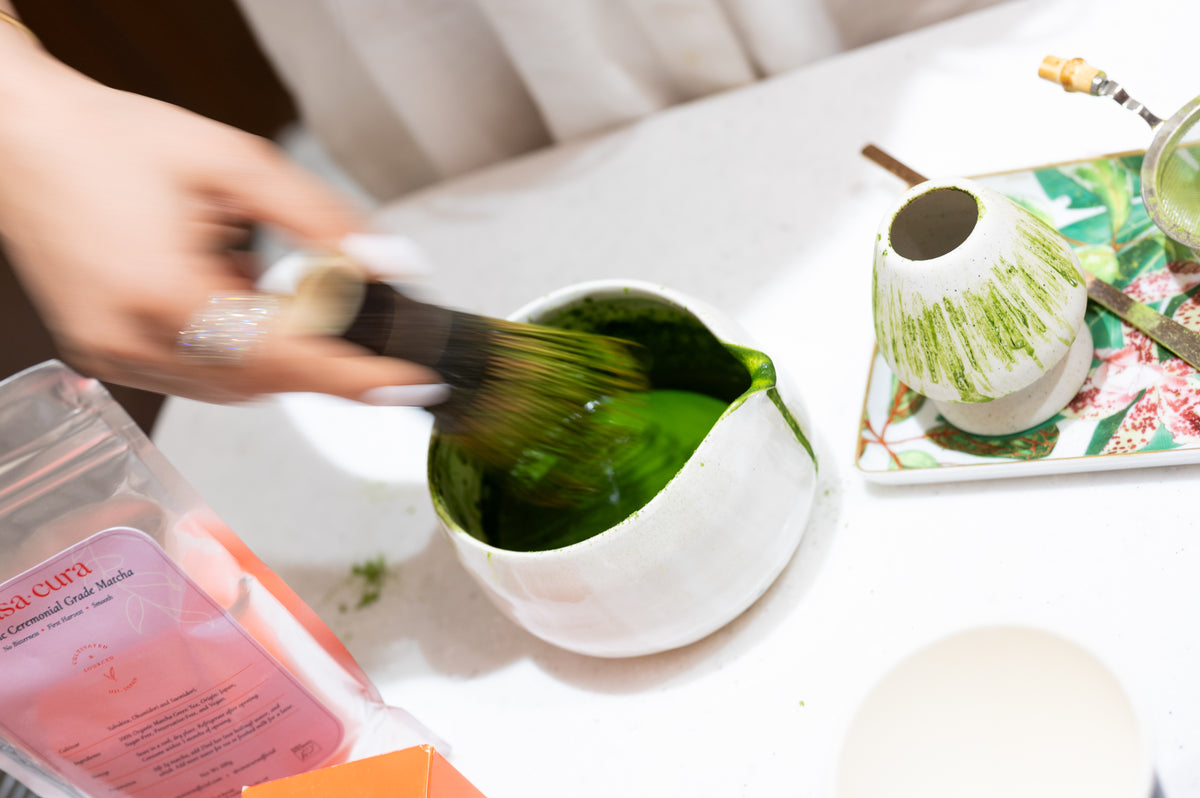
Because matcha is made from the whole ground tea leaf, it is also naturally rich in antioxidants and plant compounds. But its benefits extend beyond what is in the cup. The simple ritual of sifting, whisking and taking a moment to enjoy it can bring a little intention to even the busiest morning.
For Casa Cura founder Nadia Rawjee, that combination of energy, ritual and exceptional taste is where it all began. Hear more from Nadia in the video below.

What makes matcha different.

Step 1
Planting the seeds
Japanese tea plants take four to five years to mature before their leaves can be harvested and carefully processed into matcha.

Step 2
Careful farming
Once mature, the tea plants are carefully pruned and nurtured through autumn and winter, ready for new leaves to emerge in spring.

Step 3
In the shade
Before harvest, the young tea leaves are shaded from direct sunlight beneath canopies called tana. This helps develop their vivid green colour, natural sweetness and distinctive umami flavour.

Step 4
First Spring harvest
The leaves are carefully selected, then steamed to halt oxidation before being cooled and dried. This preserves their vivid green colour and fresh flavour.

Step 5
Slowly stone-milled
The dried leaves, known as tencha, are slowly ground between granite stones to create an exceptionally fine matcha powder.

Step 6
Made in small batches
The finely ground matcha is prepared in small batches to preserve its freshness, colour and flavour.
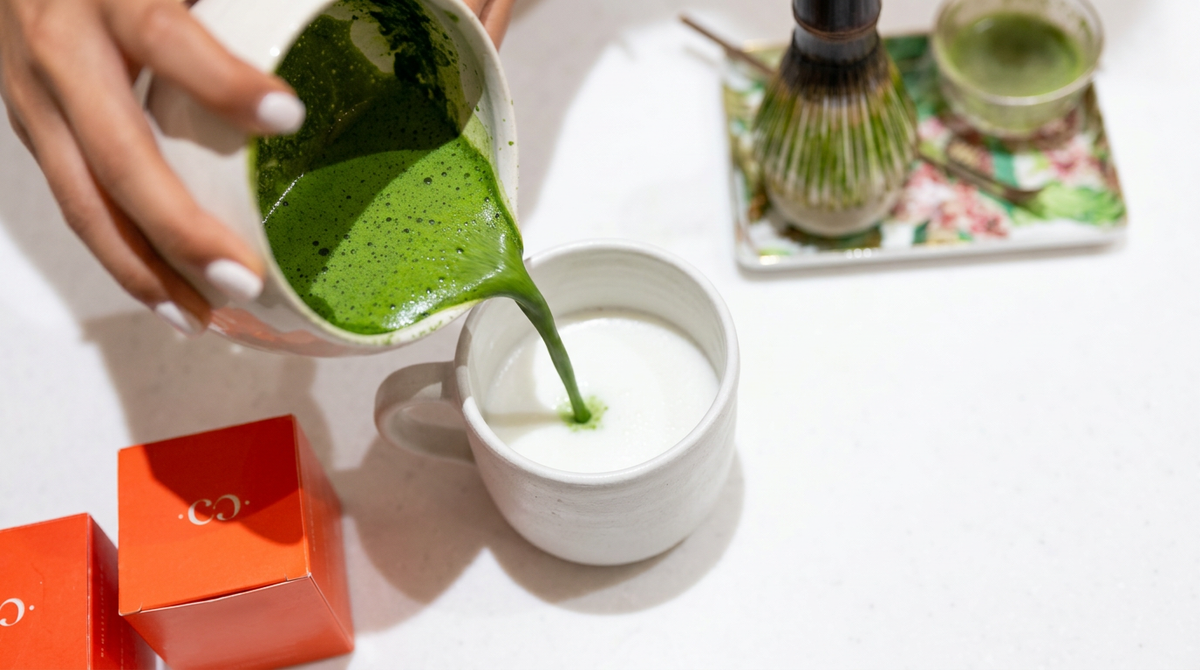
The Casa Cura Pour
From light and frothy to rich and bold, there’s more than one way to enjoy matcha. Discover the simple techniques behind Usucha, Koicha, and modern daily rituals, and find the style that feels right for you.